
As the rich aroma of spicy curry fills my kitchen, I feel a wave of comfort come over me. There’s something magical about whipping up a comforting bowl of Thai Panang Curry that transports me straight to the streets of Thailand, vibrant with flavors. With just a handful of ingredients and a mere 45 minutes of your time, this recipe is a game-changer for anyone craving a quick yet satisfying meal. Not only is it incredibly versatile—perfect for chicken, pork, seafood, or even tofu—but it’s also a delightful way to elevate your weeknight dinners or impress guests without breaking a sweat. Are you ready to unlock the secrets of Thai cooking right in your own kitchen? Let’s dive into this delicious journey together!
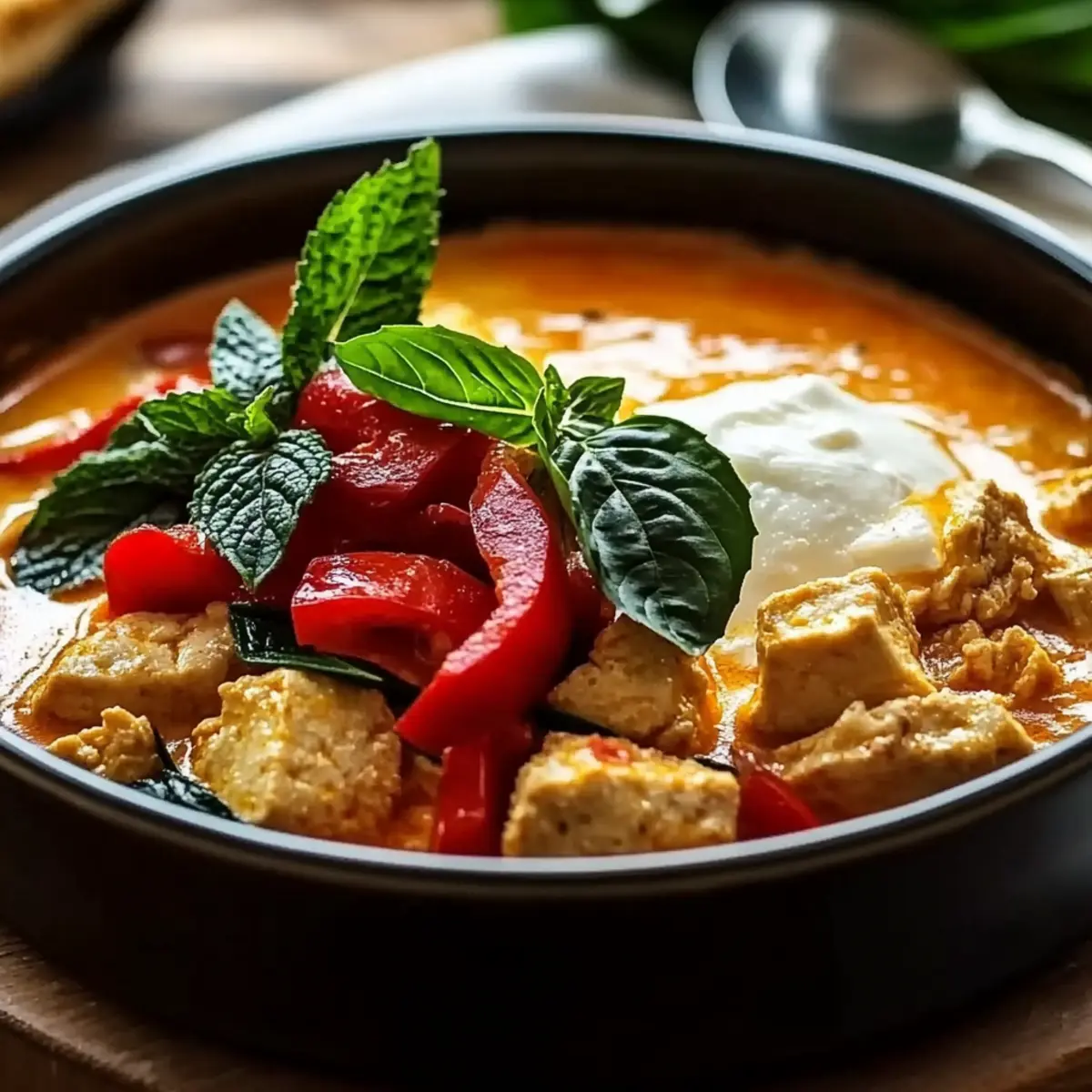
Why is Thai Panang Curry a Must-Try?
Comforting, Flavorful Dish: Thai Panang Curry delivers a rich, savory experience that transports your taste buds to Thailand with every bite.
Simplicity at Its Finest: This recipe is easy to follow, making it perfect for both novice cooks and seasoned chefs alike.
Versatile Ingredients: Whether you prefer chicken, beef, or tofu, you can customize this dish to suit your dietary preferences.
Quick Cooking Time: In just 45 minutes, you can prepare a gourmet meal that rivals your favorite restaurants, saving you time on busy nights.
Crowd-Pleasing Appeal: Serve it at your next gathering, and watch as your friends and family rave about the vibrant flavors! Don’t forget to check out my tips on how to make a perfect side of jasmine rice.
Thai Panang Curry Ingredients
• Get ready to savor!
For the Curry Base
- Panang curry paste – A crucial element that provides depth and authentic flavor to your Thai Panang Curry.
- Vegetable oil – Ideal for sautéing, it helps release the aromatic qualities of the curry paste.
- Fish sauce – Adds a salty umami kick; for a vegetarian option, replace it with soy sauce.
- Sugar – Balances the heat of the curry paste; opt for brown sugar for a richer flavor.
- Coconut milk – Gives the dish its creamy texture and helps mellow out the spices; use light coconut milk for a lower calorie option.
For the Protein
- Protein (chicken, beef, pork, tofu, or seafood) – Choose your favorite; this flexibility allows you to cater to different tastes and dietary needs!
For Garnish
- Fresh herbs (optional) – Thai basil or cilantro adds a burst of color and freshness; don’t skip this step for an extra lift of flavor!
Step‑by‑Step Instructions for Thai Panang Curry
Step 1: Heat the Oil
Begin by heating 1 tablespoon of vegetable oil in a medium-sized pan over medium heat. Allow the oil to shimmer lightly, which indicates it's ready for the next step. This should take about 2 minutes. A hot pan will help bring out the aromatic qualities of the Panang curry paste.
Step 2: Sauté the Curry Paste
Add 2 tablespoons of Panang curry paste to the hot oil and sauté for 1-2 minutes. Stir continuously until the paste becomes fragrant and slightly darker. You’ll know it’s ready when it bubbles and releases a rich aroma, setting the foundation for your Thai Panang Curry.
Step 3: Incorporate the Coconut Milk
Pour in 1 cup of coconut milk, stirring gently to combine with the sautéed curry paste. Reduce the heat slightly to medium-low and let the mixture simmer and thicken for about 3-4 minutes, ensuring that the colors meld beautifully. This step creates a creamy, flavorful base for the curry.
Step 4: Add Your Protein
Introduce your choice of 1 pound of protein—be it chicken, beef, pork, tofu, or seafood—into the pan. Stir to coat the protein evenly with the sauce, then bring the mixture to a gentle simmer. Allow it to cook for approximately 10-15 minutes, or until the protein is thoroughly cooked through and tender.
Step 5: Season the Curry
Stir in 1 tablespoon of fish sauce and 1 tablespoon of sugar, mixing well to balance the flavors of your Thai Panang Curry. Allow the curry to simmer for another 5 minutes, tasting as you go and adjusting the seasoning if desired. The flavors should become more pronounced and harmonious during this time.
Step 6: Final Simmer
Let your curry simmer for an additional 5-10 minutes until it thickens slightly and the sauce clings beautifully to your protein. Keep an eye on it to prevent scorching, stirring occasionally. The curry is ready when it emits a savory aroma and looks rich and creamy.
Step 7: Garnish and Serve
Before serving, consider garnishing your Thai Panang Curry with fresh herbs, such as Thai basil or cilantro, to add a burst of color and freshness. Spoon the rich curry over a bowl of fluffy jasmine rice for a complete meal. Enjoy the delicious flavors and cozy warmth of your homemade curry!

Thai Panang Curry Variations
Feel free to experiment and make this panang curry your own with these delightful twists!
- Dairy-Free: Use coconut cream instead of coconut milk for an extra decadent, rich flavor.
- Vegetable Boost: Add in diced bell peppers, bamboo shoots, or zucchini for vibrant color and nutrients. These veggies cook quickly and will complement the dish beautifully.
- Heat It Up: Spice things up by adding sliced fresh red chilies or a teaspoon of chili paste if you like a real kick. Adjust to your taste for a thrilling culinary adventure!
- Sweet and Savory: Substitute brown sugar with palm sugar for a more authentic taste; the flavor is more complex and aromatic.
- Nutty Flavor: Stir in a tablespoon of peanut butter for a delightful nutty twist that enhances the creaminess of the curry. It adds both richness and depth!
- Seafood Variation: Swap protein for shrimp or scallops, cooking only until they’re just opaque. These options are wonderfully quick and pair excellently with the aromatic sauce.
- Herb-Infused: Elevate with fresh lemongrass or kaffir lime leaves while simmering; their citrusy notes will brighten the curry.
- Meal-Prep Friendly: Prepare a big batch and package it with cooked jasmine rice for quick lunches during the week. It’s a fantastic way to have homemade comfort food on hand!
How to Store and Freeze Thai Panang Curry
-
Fridge: Store any leftover Thai Panang Curry in an airtight container for up to 3 days. Reheat gently on the stove or in the microwave until heated through.
-
Freezer: If you’d like to enjoy this curry later, freeze it in a freezer-safe container for up to 2 months. Thaw in the fridge overnight before reheating.
-
Reheating: To preserve flavor and texture, reheat on the stovetop over low heat, adding a splash of coconut milk if it looks too thick.
-
Serving Fresh: Fresh is best! While this curry can be stored or frozen, enjoying it right after cooking ensures the vibrant flavors shine.
Expert Tips for Thai Panang Curry
-
Choose Quality Paste: Use authentic Panang curry paste for the best flavor. Store-bought options can vary widely, so look for brands with fresh ingredients.
-
Protein Perfection: Don’t overcrowd the pan with protein. Make sure it fits comfortably, allowing for even cooking and rich flavor absorption.
-
Taste as You Go: Adjust seasoning with fish sauce and sugar. Start small; you can always add more, but you can’t take it out!
-
Simmer with Care: Keep an eye on the curry while simmering. Stir occasionally to prevent sticking, helping the flavors to meld beautifully without scorching.
-
Garnish for Wow Factor: Fresh herbs are essential! They not only enhance the visual appeal but also elevate the taste of your Thai Panang Curry.
What to Serve with Thai Panang Curry
Creating a beautiful meal is simple when you pair flavors, textures, and aromas that elevate your palate.
-
Jasmine Rice: Fluffy and fragrant, it absorbs the rich curry sauce perfectly, making every bite a delightful experience. Enjoying a generous helping will help transport the wonderful flavors to new heights!
-
Fresh Veggie Spring Rolls: Light and crunchy, these rolls filled with greens and herbs provide a refreshing contrast to the creamy curry. Dip them in a tangy peanut sauce for an extra flavor boost.
-
Steamed Broccoli: Bright green and slightly crunchy, steamed broccoli adds a healthy element while soaking up the delicious curry sauce. Its mild taste complements the bold flavors of the dish beautifully.
-
Cucumber Salad: With its crisp texture and light vinaigrette, this salad adds brightness and balances the richness of the curry. A sprinkle of sesame seeds brings an extra layer of flavor to each bite.
-
Thai Iced Tea: The creamy and sweet profile of this beverage perfectly contrasts the spicy notes of the Thai Panang Curry, creating a comforting dining experience.
-
Mango Sticky Rice: End your meal on a sweet note with this classic Thai dessert. The sweetness of the ripe mango and the sticky rice's creaminess pairs wonderfully with the savory notes of the curry.
Make Ahead Options
Thai Panang Curry is an ideal dish for busy home cooks looking to save time without sacrificing flavor! You can prepare the curry base (steps 1-5), including the sautéed Panang curry paste and the coconut milk mixture, up to 24 hours in advance. To keep the flavors vibrant, store the cooked base in an airtight container in the refrigerator and add your chosen protein when you're ready to serve. Just remember to simmer the curry for about 10-15 minutes to warm it through, and then add the fish sauce and sugar to finish off the dish. This way, you’ll enjoy a delicious, homemade Thai Panang Curry that tastes just as fresh as when you first made it!

Thai Panang Curry Recipe FAQs
What type of coconut milk should I use for Thai Panang Curry?
Absolutely! For a rich and creamy texture, I recommend full-fat coconut milk, which adds a luscious flavor to your curry. However, if you’re looking for a lighter option, you can use light coconut milk. Just keep in mind that it may result in a less creamy consistency.
How long can I store leftover Thai Panang Curry?
You can store any leftover Thai Panang Curry in an airtight container for up to 3 days in the fridge. Just make sure to let it cool down to room temperature before sealing, to avoid condensation.
Can I freeze Thai Panang Curry?
Yes, you can! Just let the curry cool completely, then transfer it to a freezer-safe container. It will keep well for up to 2 months. When you're ready to enjoy, thaw it in the fridge overnight and reheat slowly on the stovetop—adding a splash of coconut milk during reheating will help bring back the creaminess.
What should I do if the curry is too salty?
If you find the curry too salty, don’t worry! Start by adding a little extra sugar to balance it out. You can also add some additional coconut milk to dilute the saltiness. If that doesn’t help, try serving the curry over a larger quantity of rice or vegetables to absorb some of the salt.
Is Thai Panang Curry safe for my pets?
Very! Generally, homemade Thai Panang Curry contains ingredients that can be harmful to pets, like onion and garlic, which are not safe for them. Make sure to keep the curry away from your furry friends. Always consult your vet if you're unsure about specific ingredients.
Can I use a store-bought curry paste?
Absolutely, I often use store-bought Panang curry paste for convenience! Just be sure to check the ingredient list for any preservatives or artificial additives. Opt for brands that focus on using fresh, authentic ingredients for the best flavor in your dish.
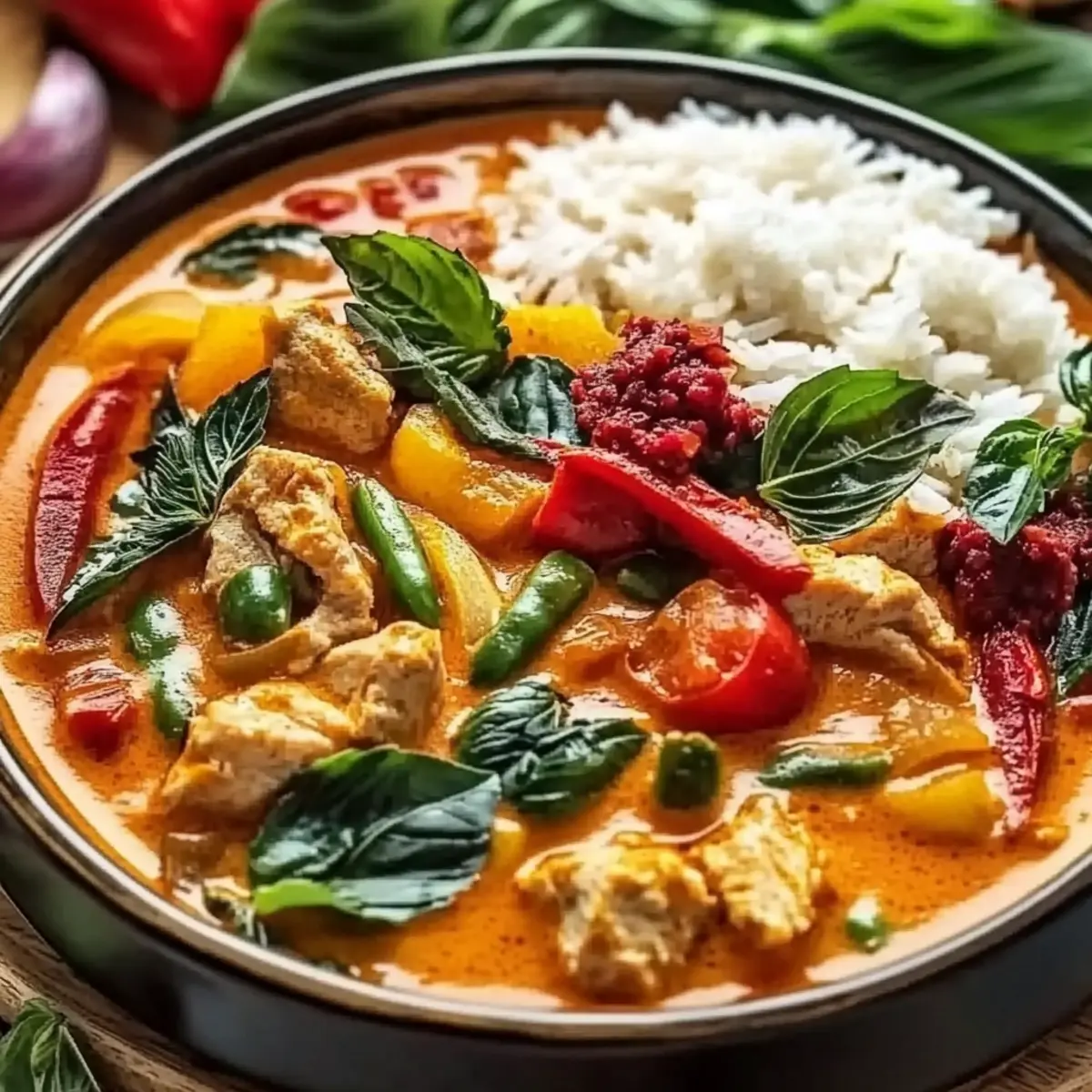
Delicious Thai Panang Curry: A Cozy Homemade Delight
Ingredients
Equipment
Method
- Heat the oil by warming 1 tablespoon of vegetable oil in a medium-sized pan over medium heat for about 2 minutes.
- Sauté 2 tablespoons of Panang curry paste in the hot oil for 1-2 minutes until fragrant.
- Incorporate 1 cup of coconut milk into the mixture and simmer for 3-4 minutes.
- Add your choice of protein (1 pound) and simmer for approximately 10-15 minutes until cooked through.
- Season the curry by stirring in 1 tablespoon each of fish sauce and sugar, allowing to simmer for another 5 minutes.
- Let the curry simmer for an additional 5-10 minutes until thickened.
- Garnish with fresh herbs before serving and enjoy over jasmine rice.




Leave a Reply