
The aroma of simmering broth fills the air, transporting me to cozy street corners in Seoul where friends gather to enjoy comfort food. Today, I'm excited to share my take on Budae Jjigae, a delightful Korean stew that balances heat and heartiness. This recipe is perfect for those evenings when you want something satisfying yet easy to whip up, clocking in at just 40 minutes from prep to table. It’s a one-pot wonder that combines savory sausage, zesty kimchi, and chewy noodles, creating a dish that's not only packed with flavor but also a crowd-pleaser that warms the soul. Are you ready to embark on this culinary adventure? Let’s dive in!
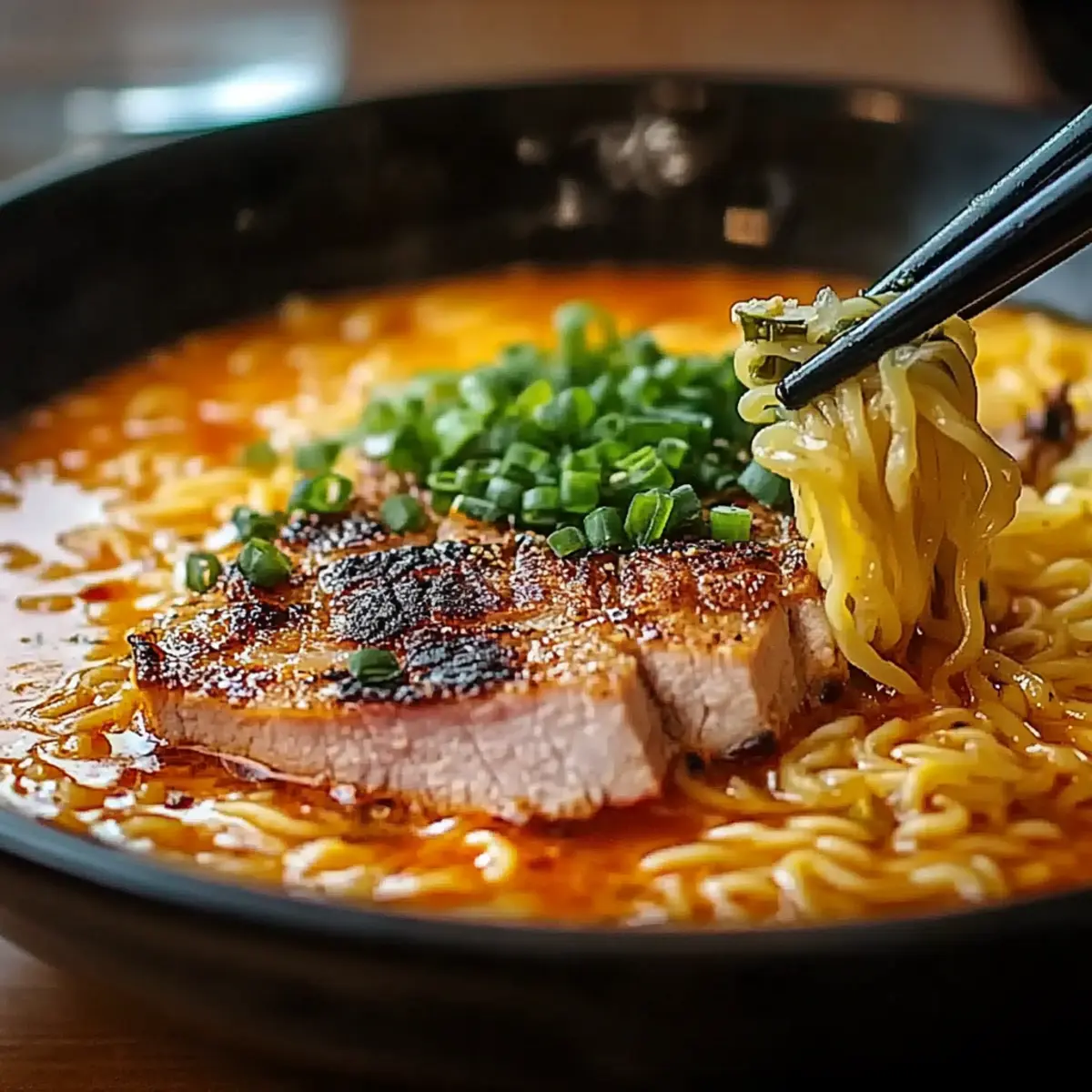
Why is Budae Jjigae so popular?
Comforting, This dish is a warm hug in a bowl, making it an ideal choice for chilly nights.
Quick to Prepare, With just 40 minutes from start to finish, you can enjoy a homemade meal faster than delivery—great for busy weeknights.
Bold Flavors, The spicy gochujang and fresh kimchi create an unforgettable taste that dances on your palate, making every bite exciting.
Versatile Ingredients, Feel free to mix and match ingredients like adding mushrooms or greens from your fridge, perfect for reducing waste.
Crowd-Pleaser, Whether for family dinner or a casual gathering with friends, Budae Jjigae guarantees happy, satisfied faces around the table.
With this easy recipe, you’ll not only impress your loved ones but also explore a new world of flavors. Consider trying it alongside your favorite sides for a complete meal!
Budae Jjigae Ingredients
For the Stew
- 4 cups broth – use chicken or vegetable broth for a rich base that enhances the flavor of the stew.
- 1 cup kimchi – fermented goodness that adds a spicy, tangy punch perfect for a traditional Budae Jjigae.
- 1 cup tofu – provides a wonderful texture and absorbs the flavors of the broth beautifully.
- 1 cup sliced sausage – opt for your favorite kind, whether it’s Korean sausage or a hearty hot dog, to add a savory depth.
For the Noodles
- 1 cup noodles – any noodle type works well, from ramen to udon; just ensure they are cooked tender.
- 2 tablespoons gochujang – this Korean chili paste brings heat; feel free to adjust based on your spice preference.
- 1 tablespoon gochugaru – these Korean chili flakes add smokiness and an extra kick, balancing the stew perfectly.
Elevate your Budae Jjigae with fresh garnishes if you like, such as green onions or sesame seeds, for that final touch!
Step‑by‑Step Instructions for Budae Jjigae
Step 1: Heat the Broth
In a large pot, pour in the 4 cups of broth and place it over medium heat. Allow the broth to warm for about 5 minutes, stirring occasionally, until it’s steaming but not boiling. This step creates a savory base for your Budae Jjigae, ready to embrace all the delicious ingredients you'll add next.
Step 2: Add Kimchi, Tofu, and Sausage
Once the broth is hot, introduce 1 cup of kimchi, 1 cup of cubed tofu, and 1 cup of sliced sausage into the pot. Gently stir the mixture and let it simmer for another 5 to 7 minutes. You’ll know it’s ready when the kimchi starts bubbling, releasing its spicy aroma, and the tofu absorbs the flavors of the broth.
Step 3: Incorporate the Spices
Stir in 2 tablespoons of gochujang and 1 tablespoon of gochugaru, ensuring they blend well with the simmering stew. Continue to cook for another 2 to 3 minutes, allowing the spices to dissolve and infuse the stew with vibrant color and heat. You'll see the broth taking on a beautiful red hue, indicating it's filled with bold flavors.
Step 4: Add the Noodles
Now, it's time for the noodles! Drop in 1 cup of your chosen noodles and cook according to the package instructions, usually around 3 to 5 minutes. Stir gently to separate the noodles and keep an eye on them; they should become tender yet chewy. The Budae Jjigae is coming together beautifully, full of delightful textures!
Step 5: Final Touches and Serve
Once the noodles are cooked, turn off the heat and let the stew sit for a minute. Ladle the Budae Jjigae into bowls, optionally garnishing with sliced green onions or sesame seeds for an added burst of flavor. Serve hot to enjoy the rich, comforting warmth of this delicious Korean stew!
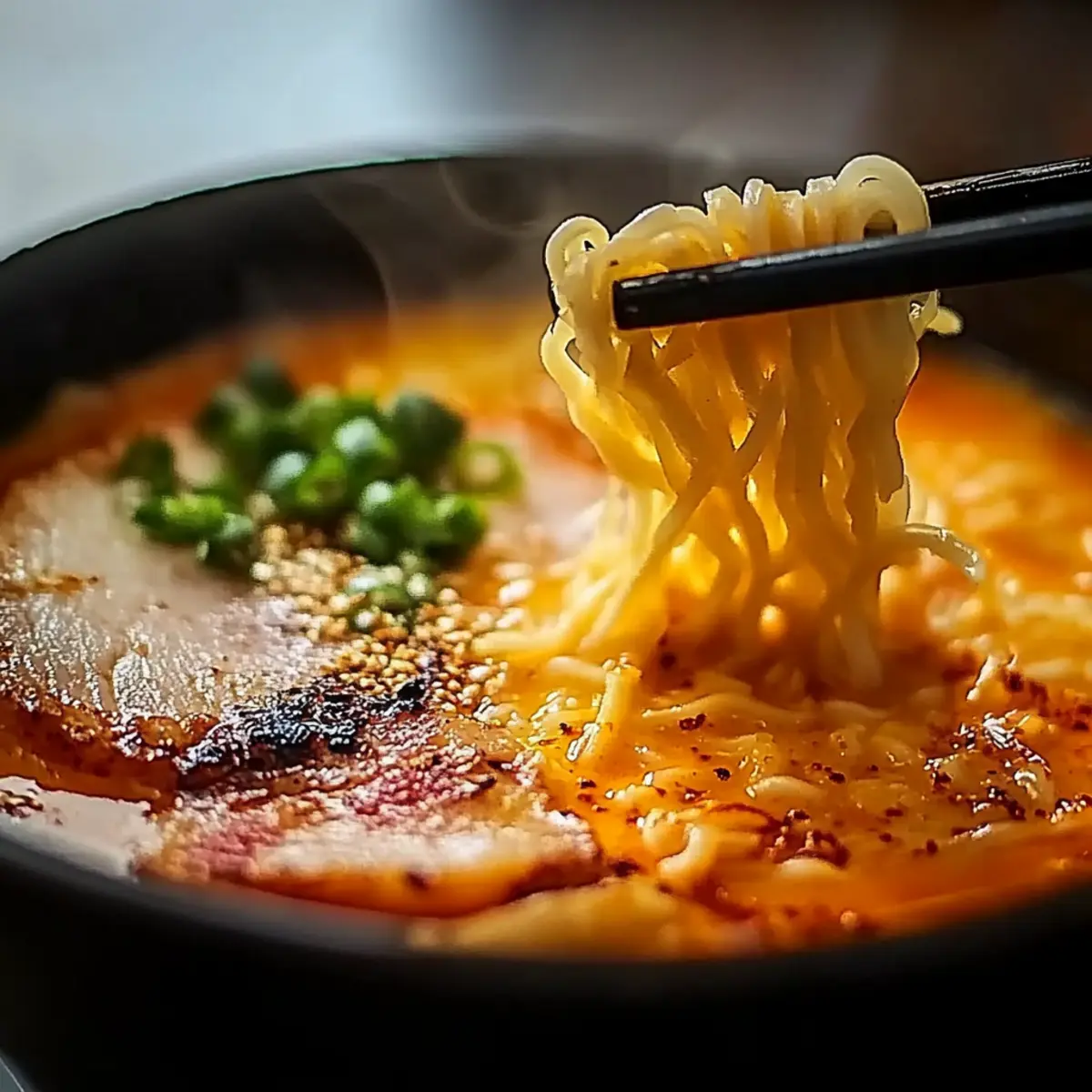
How to Store and Freeze Budae Jjigae
Fridge: Store leftover Budae Jjigae in an airtight container for up to 3 days. Reheat on the stove over medium heat, adding a splash of broth if needed.
Freezer: You can freeze Budae Jjigae for up to 2 months. Use a freezer-safe container, leaving space for expansion. Thaw overnight in the fridge before reheating.
Reheating: For best results, reheat on the stovetop over low heat, stirring occasionally until warmed through. This helps retain the stew's flavor and texture.
Airtight Storage: Make sure to use airtight containers to prevent freezer burn and maintain the delicious flavors of your homemade Budae Jjigae.
Budae Jjigae Variations & Substitutions
Get ready to make this Budae Jjigae your own with simple twists that elevate flavor and satisfy your cravings!
- Vegetable Boost: Add extra veggies like bok choy or mushrooms for a nutritious crunch. They soak up the rich broth and add delightful textures.
- Vegan Delight: Swap the sausage for tempeh or seitan for a plant-based alternative that still packs a punch! These options carry all the savory flavors you love.
- Spicy Kick: Increase the gochujang or sprinkle in some sliced Thai chilies if you're looking for more heat. Just a little extra spice can make the dish sing!
- Creamy Twist: Stir in a tablespoon of coconut milk to give a creamy, dreamy texture while adding a subtle sweetness to balance the spice. It’s like a beach vacation for your tastebuds!
- Soy Sauce Upgrade: Replace some of the broth with soy sauce for a deeper umami flavor that complements the spiciness of the stew. This secret ingredient adds a whole new level of richness!
- Noodle Swap: Experiment with different noodles such as rice noodles or even zoodles (zucchini noodles) for a gluten-free or low-carb option. Each kind brings its own unique twist.
- Fermented Flavor: Incorporate a splash of soy sauce or miso paste alongside the kimchi for an explosion of umami goodness. This brightens up the stew and adds complexity.
- Garnish Variety: Top your stew with fresh herbs like cilantro or a squeeze of lime juice to brighten everything up. These finishing touches create a vibrant experience with every bite.
Embrace these variations, and they will surely take your cozy bowl of Budae Jjigae to exciting new heights! If you're wondering what to enjoy alongside your stew, consider serving it with some tasty kimchi fried rice or refreshing cucumber salad for a well-rounded meal that delights the palate.
What to Serve with Budae Jjigae
Elevate your cozy dining experience by pairing this delightful Korean stew with some tasty accompaniments that complement its bold flavors.
-
Steamed Rice: The fluffy texture of steamed rice soaks up the savory broth, making each bite even more satisfying. It’s the perfect neutral base to balance the stew’s heat.
-
Korean Pancakes: Crunchy on the outside and soft inside, these pancakes add a wonderful texture contrast and can be filled with veggies or seafood for extra flavor.
-
Pickled Vegetables: A side of tangy pickles offers a refreshing crunch that cuts through the richness and spice of Budae Jjigae beautifully. They cleanse the palate with every bite.
-
Spicy Tofu Salad: Light and zesty, this salad adds a cool contrast while the chili dressing mirrors the spice of the stew, providing a harmonious flavor connection.
-
Kimchi Fried Rice: Reinvent leftovers by stir-frying day-old rice with kimchi for a spicy, flavorful dish that pairs perfectly with the stew’s hearty goodness.
-
Korean Beer or Soju: Enjoy a chilled Korean beer or a shot of soju to enhance the meal experience, offering a refreshing complement to the rich flavors of Budae Jjigae.
-
Mango Sticky Rice: For dessert, this sweet treat adds a lovely touch of tropical creaminess that rounds off the meal with its satisfying sweetness.
-
Sesame Spinach: Lightly toasted sesame adds rich nutty notes and greens that harmonize well with the stew’s spiciness, boosting the meal’s nutritional value.
Make Ahead Options
Budae Jjigae is a fantastic option for meal prep, allowing you to enjoy homemade comfort food with minimal effort on busy days! You can prep the kimchi, tofu, and sausage up to 3 days in advance by cutting them into the desired sizes and storing them in airtight containers in the refrigerator. To maintain freshness and flavors, it’s best to refrigerate the ingredients separately. When you're ready to enjoy your Budae Jjigae, simply heat the broth, add the prepped ingredients, stir in the gochujang and gochugaru, and finish by cooking the noodles according to package instructions. This way, you’ll have a bowl of deliciousness that's just as delightful as when made fresh!
Expert Tips for Budae Jjigae
Use Quality Broth: A flavorful broth is essential for a delicious Budae Jjigae—opt for homemade or high-quality store-bought broth for the best taste.
Balance the Spice: Adjust the amount of gochujang and gochugaru based on your heat preference; start small and add more as needed.
Cut Ingredients Evenly: Slice your sausage and tofu into similar sizes to ensure even cooking and a pleasing bite in every spoonful.
Don’t Overcook Noodles: Follow the package instructions closely when cooking noodles; overcooked noodles can become mushy and ruin your stew's texture.
Customize with Veggies: Feel free to add in any leftover vegetables like spinach or mushrooms to personalize your Budae Jjigae and add extra nutrition.
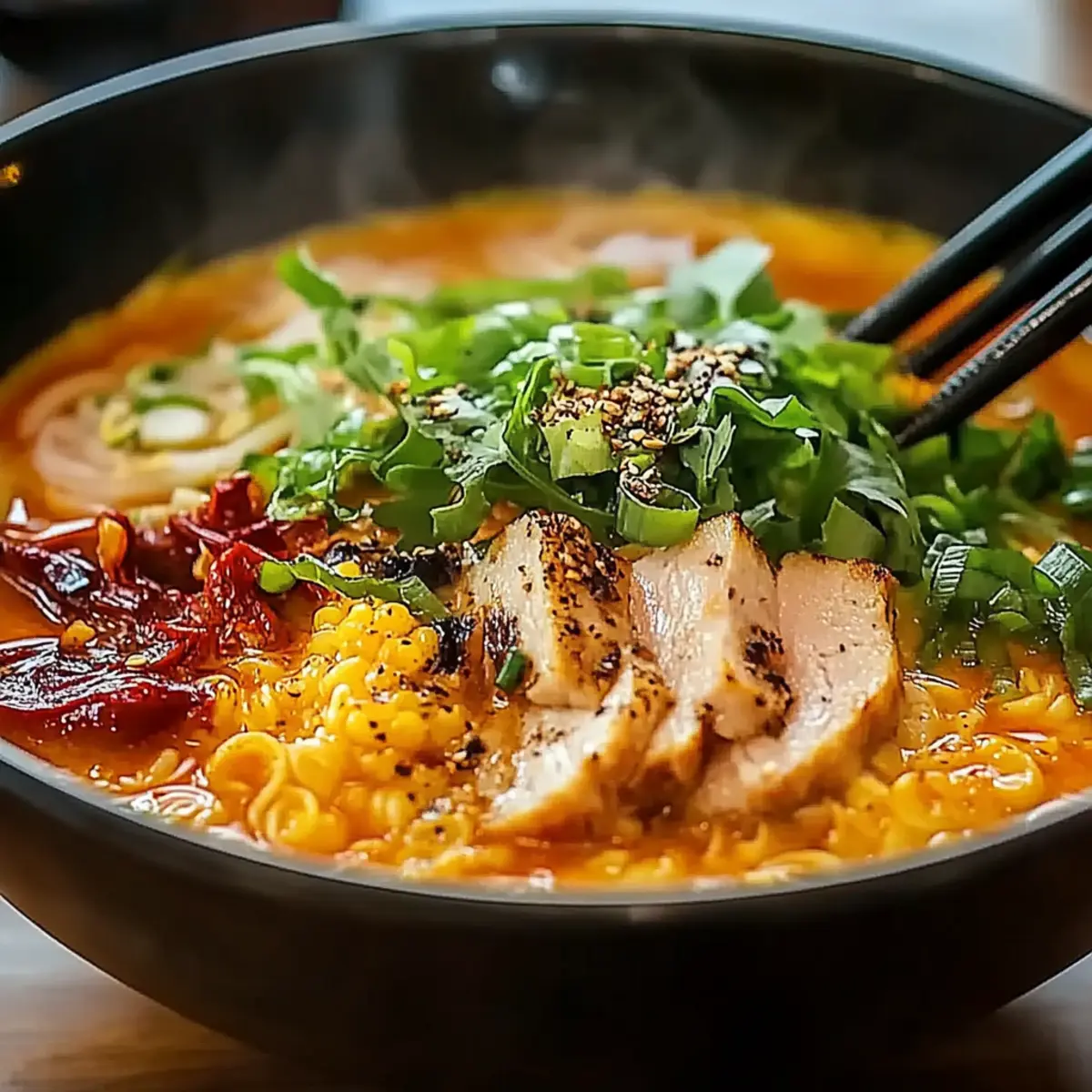
Budae Jjigae Recipe FAQs
What is the best way to select kimchi for Budae Jjigae?
Absolutely! Look for kimchi that is fermented but still crisp; a good quality kimchi will have a strong aroma and vibrant color. Avoid kimchi that has excessive liquid or is overly soft, as this can dilute the flavor of your stew. I recommend checking the expiration date to ensure freshness, and for maximum flavor, use kimchi that has been fermented for at least a few weeks.
How long can I store leftover Budae Jjigae in the fridge?
You can store leftover Budae Jjigae in an airtight container in the fridge for up to 3 days. When you're ready to enjoy it again, simply reheat it on the stovetop over medium heat. If it appears thick, feel free to add a splash of broth or water to loosen it up, and stir gently until warmed through.
Can I freeze Budae Jjigae, and if so, how?
Yes, you can freeze Budae Jjigae for up to 2 months! To do this, allow the stew to cool completely, then transfer it to a freezer-safe container, leaving a little space at the top for expansion. For best results, label your container with the date. When you’re ready to enjoy it, thaw it overnight in the fridge and reheat gently on the stovetop, stirring occasionally until it’s heated through.
What if my noodles get mushy in the stew?
Very! If you find that your noodles have become mushy, it can stem from overcooking them in the stew. To prevent this, I suggest cooking your noodles separately, then adding them to individual bowls and ladling the hot Budae Jjigae over them. This keeps the noodles perfectly tender and ensures they don't absorb too much broth. You can also try using heartier noodles like udon, which hold their shape better.
Is Budae Jjigae allergy-friendly?
The beauty of Budae Jjigae lies in its versatility! However, it's essential to be mindful of common allergens. If you have a soy allergy, substitute the tofu with chickpeas or omit it entirely. Additionally, check the sausage packaging for allergens, as some might contain gluten. Always tailor your ingredient selections based on dietary restrictions, ensuring a delicious and safe meal for everyone.
How can I enhance the flavor of my Budae Jjigae?
To boost the flavor further, consider adding other ingredients like sliced mushrooms, bok choy, or a dash of sesame oil right before serving. You can also experiment with different spicy levels by adjusting the gochujang and gochugaru to match your taste buds. Fresh herbs like cilantro or Thai basil can also provide a delightful flavor twist, making your Budae Jjigae even more unique!
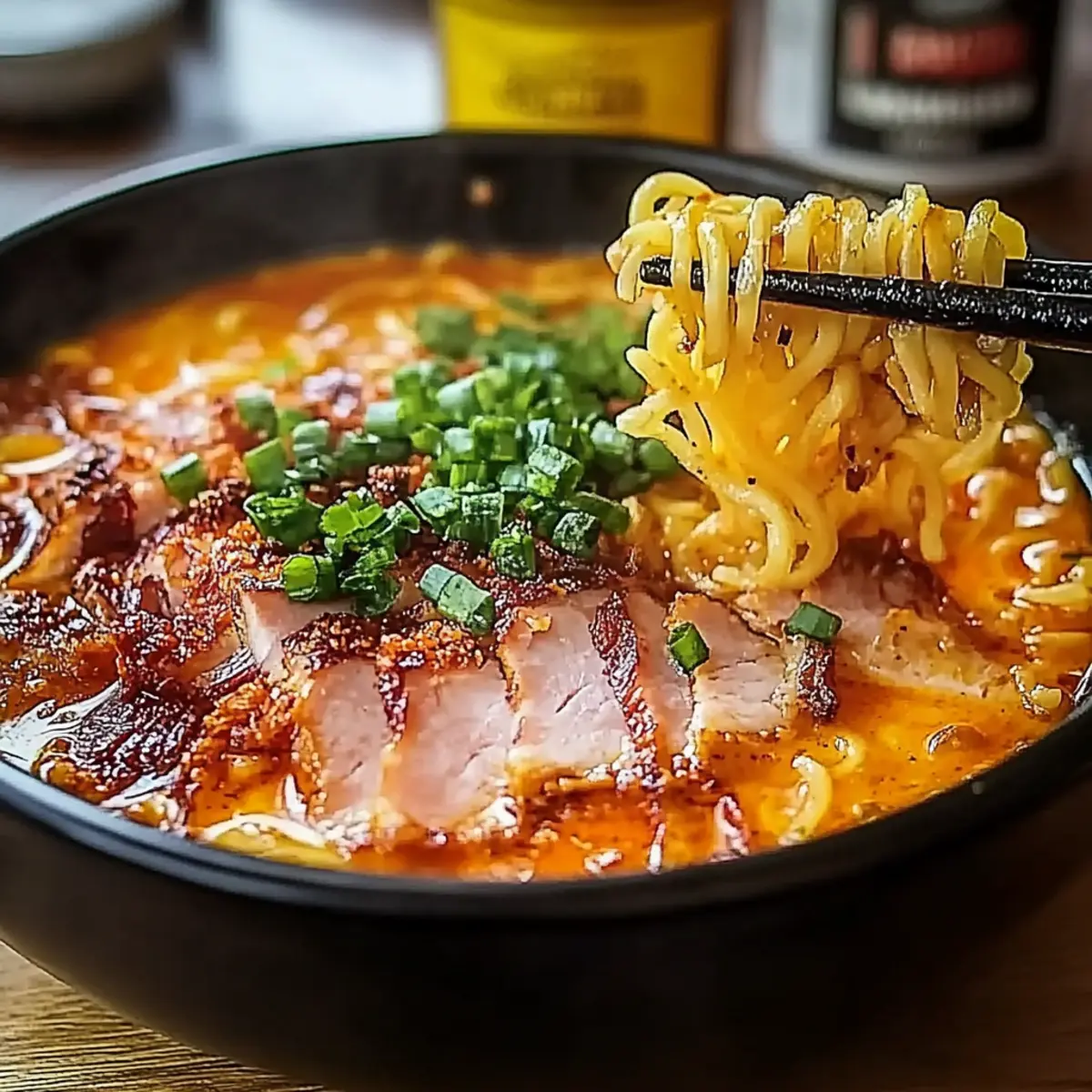
Savor Budae Jjigae: A Cozy Bowl of Bold Flavors
Ingredients
Equipment
Method
- In a large pot, pour in the 4 cups of broth and place it over medium heat. Allow it to warm for about 5 minutes, stirring occasionally until it’s steaming but not boiling.
- Once the broth is hot, introduce 1 cup of kimchi, 1 cup of cubed tofu, and 1 cup of sliced sausage into the pot. Stir gently and let it simmer for another 5 to 7 minutes.
- Stir in 2 tablespoons of gochujang and 1 tablespoon of gochugaru, ensuring they blend well with the simmering stew. Continue to cook for another 2 to 3 minutes.
- Drop in 1 cup of your chosen noodles and cook according to the package instructions, usually around 3 to 5 minutes.
- Once the noodles are cooked, turn off the heat and let the stew sit for a minute. Ladle into bowls, optionally garnishing with sliced green onions or sesame seeds.



Leave a Reply