
As I stood in my kitchen, the warm scent of freshly baked bread swirled around me, wrapping me in a comforting hug. There's something profoundly satisfying about creating a loaf of White Bread from scratch—a simple yet rewarding act that transforms mere ingredients into something magical. With just a few kitchen staples, you can whip up this versatile bread that serves as the perfect base for sandwiches or as a delightful side to your favorite meals. One of the best perks of this recipe is its impressive flexibility; it's a crowd-pleaser that's easy to master, making it the ideal choice for new bakers and seasoned pros alike. Why settle for store-bought when you can fill your home with the artisanal aroma of freshly baked goodness? Let’s dive into the world of homemade delights together… are you ready to embrace this baking adventure?
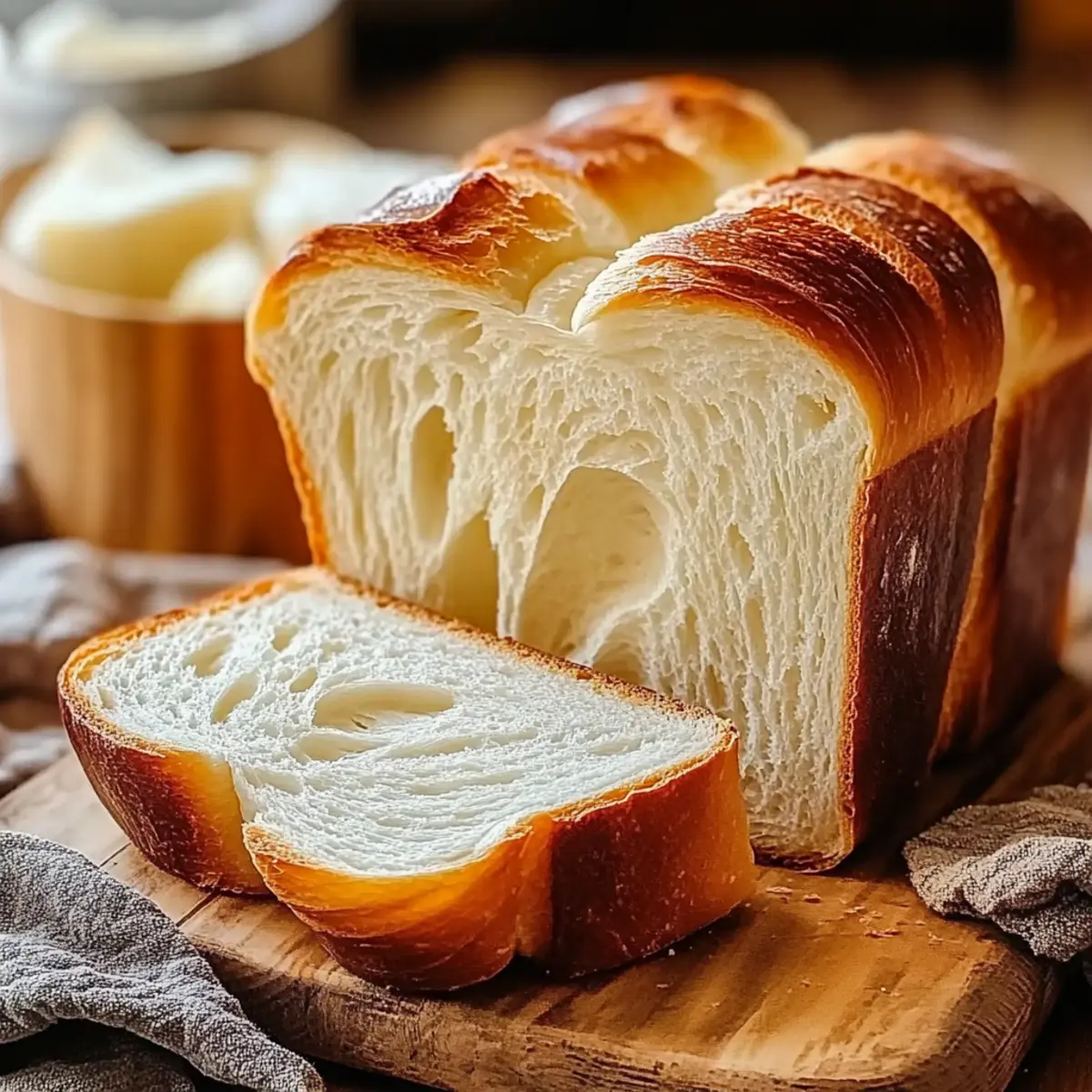
Why is homemade white bread so special?
Irresistible aroma: The scent of baking bread fills your kitchen with warmth and nostalgia, creating a comforting atmosphere that store-bought bread simply can’t match. Versatile foundation: Perfect for sandwiches, toast, or just enjoyed with butter—this bread suits any meal. Easy process: With just a few ingredients and simple steps, anyone can become a bread-baking pro in no time! Crowd-pleaser: This white bread is sure to impress family and friends, making it a great choice for gatherings. For more baking inspiration, don’t forget to check out my delicious Banana Bread Chocolate or Lemon Zucchini Bread!
White Bread Ingredients
• A great white bread starts with quality ingredients to ensure deliciousness!
For the Dough
- 4 cups all-purpose flour – This forms the base of your dough for a soft texture.
- 2 tablespoons sugar – Enhances browning and provides a subtle sweetness.
- 1 tablespoon salt – Balances flavors and strengthens the dough.
- 2 ¼ teaspoons active dry yeast – The key ingredient that helps your bread rise beautifully.
- 1 ½ cups warm water – Activates the yeast and helps create a moist dough.
- 2 tablespoons butter – Adds richness and a glossy finish when brushed on top.
Step‑by‑Step Instructions for White Bread
Step 1: Combine Dry Ingredients
In a large mixing bowl, whisk together 4 cups of all-purpose flour, 2 tablespoons of sugar, 1 tablespoon of salt, and 2 ¼ teaspoons of active dry yeast. This mixture will be the foundation for your White Bread. Ensure the yeast is evenly distributed throughout the flour to promote uniform rising.
Step 2: Mix in Water
Gradually pour in 1 ½ cups of warm water, stirring with a wooden spoon or spatula until a rough dough forms. The warmth of the water will activate the yeast, making the mixture slightly sticky. Ensure there are no dry flour spots left, as this will help create a uniform texture in your White Bread.
Step 3: Knead the Dough
Transfer the dough onto a lightly floured surface and knead for about 10 minutes. Use the palms of your hands to push, fold, and stretch the dough until it's smooth and elastic. This process develops the gluten, giving your White Bread a perfect chewy texture. You'll know it's ready when it springs back lightly when pressed.
Step 4: First Rise
Place the kneaded dough in a greased bowl, cover it with a damp cloth, and let it rise in a warm place for about 1 hour. During this time, the dough should double in size, becoming puffed and airy. Keep an eye on it; this visual doubling indicates that the yeast is working its magic for the White Bread.
Step 5: Shape the Dough
Once risen, gently punch down the dough to release the air bubbles. Turn it out onto a floured surface, then shape it into a loaf by folding the edges inward and rolling it tightly. This shaping allows for an even crumb structure in your White Bread, essential for that perfect slice.
Step 6: Second Rise
Put the shaped loaf into a greased 9x5 inch loaf pan. Cover it again with a damp towel and let it rise for another 30 minutes. This second rise will enhance the bread's light and airy texture, ensuring your White Bread is tender and delightful when baked.
Step 7: Preheat the Oven
Preheat your oven to 350°F (175°C) while the dough is rising. A properly heated oven is crucial for an effective bake, helping the White Bread achieve that golden-brown crust that you’ll look forward to enjoying.
Step 8: Bake the Bread
Once the oven reaches temperature, bake the bread for 30 to 35 minutes. You’ll know it’s done when the top is golden brown and sounds hollow when tapped gently. This baked beauty will fill your kitchen with an irresistible aroma that promises deliciousness.
Step 9: Brush with Butter
When the bread is out of the oven, brush the top with 2 tablespoons of melted butter. This step adds a rich flavor and gives your White Bread a glossy finish. It’s the perfect touch that enhances both the taste and appearance of your fresh loaf.
Step 10: Cool Before Slicing
Allow the bread to cool in the pan for a few minutes before transferring it to a wire rack to cool completely. Allowing it to set will help maintain structure and prevent sogginess. Once cool, slice into your beautifully baked White Bread and enjoy the delightful results!
Make Ahead Options
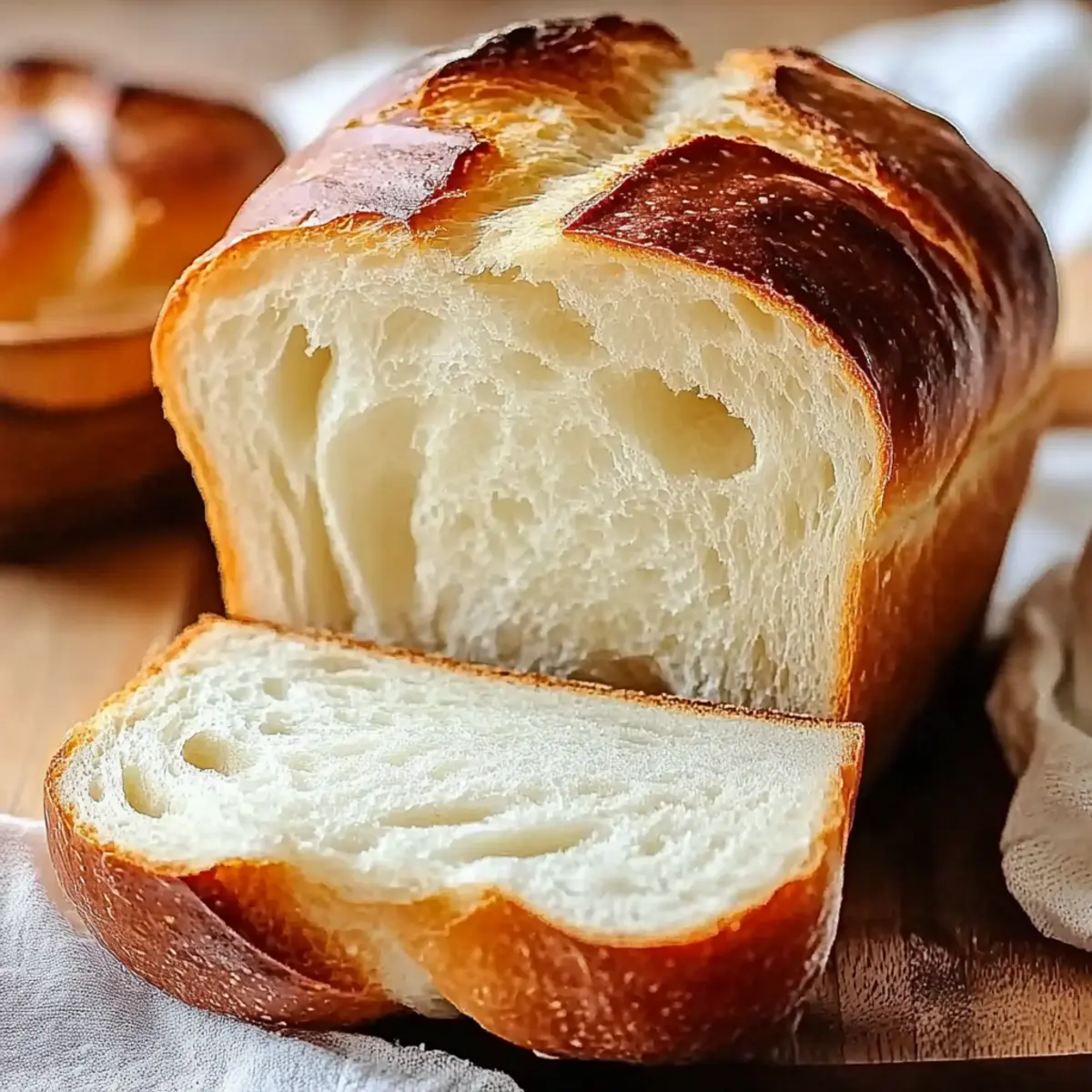
Making your White Bread ahead of time can save you precious moments on busy weeknights! You can prepare the dough up to 24 hours in advance by following the first four steps from mixing to the first rise. Once the dough has doubled in size, punch it down, shape it, wrap it tightly with plastic wrap, and refrigerate it to slow down the yeast activity. When you’re ready to bake, simply let the shaped loaf sit at room temperature for about 30 minutes to rise again before preheating the oven. This method preserves quality, ensuring your White Bread is just as delicious and fresh when baked, making meal prep a breeze!
Storage Tips for White Bread
Room Temperature: Store your white bread in a cool, dry place in a bread box or wrapped in a clean kitchen towel for up to 3 days to maintain freshness.
Fridge: If you want to extend its shelf life, wrap the bread tightly in plastic wrap and place it in the fridge for up to 1 week, although this may affect the texture slightly.
Freezer: Freeze your white bread by wrapping each slice in plastic wrap, then placing them in an airtight bag or container. It can last up to 3 months without losing flavor.
Reheating: To enjoy your white bread after freezing, simply toast slices straight from the freezer or let them thaw at room temperature for about 30 minutes before reheating in the oven at 350°F (175°C) for 10-15 minutes.
What to Serve with White Bread
Imagine a bustling kitchen filled with laughter, the tantalizing aroma of homemade white bread wafting through the air. This warm embrace of comfort food sets the stage for a delightful meal.
- Creamy Tomato Soup: A classic pairing that complements the soft texture of white bread, perfect for soaking up every last drop.
- Garlic Butter Shrimp: The succulent flavors of garlic shrimp will elevate your homemade bread to new heights—imagine pairing each bite with a luscious shrimp!
- Crisp Green Salad: Fresh greens and a zesty dressing provide a refreshing balance to the richness of white bread, enhancing your meal's overall flavor profile.
- Savory Beef Stew: Hearty and comforting, this rich stew is a match made in heaven with warm slices of bread, inviting you to dip and savor.
- Rich Cheese Platter: A selection of your favorite cheeses can turn simple toast into a gourmet experience, with each bite bursting with flavor.
- Sweet Strawberry Jam: Spread atop warm slices, this delightful complement enhances the sweetness of the bread while adding a fruity twist.
- Homemade Meatballs: Slathering a meatball sub with marinara sauce and melted cheese makes for a satisfying lunch that truly highlights the bread's versatility.
- Classic Breakfast Eggs: Soft-boiled or poached eggs on toasted white bread create a perfect start to the day, nutritious and indulgent.
- Chilled White Wine: A crisp glass of white wine adds a refreshing note, bringing a touch of elegance to your homemade feast.
- Decadent Chocolate Cake: For dessert, a slice of cake perfectly rounds out the meal, satisfying your sweet tooth after enjoying the heartiness of the bread.
Expert Tips for Homemade White Bread
• Measure Accurately: Always use measuring cups and spoons for precise amounts to avoid a dense loaf of white bread.
• Check Yeast Freshness: Ensure your active dry yeast is fresh; expired yeast won’t rise properly, leading to flat bread.
• Knead Well: Don’t skip kneading! It develops gluten for the right texture. Aim for a smooth, elastic dough that springs back when pressed.
• Temperature Matters: Ensure your water is warm but not hot, around 110°F (43°C), to activate the yeast without killing it.
• Don’t Rush Rising: Allow the dough to rise in a warm place undisturbed. A drafty room can lead to uneven rising, impacting your white bread’s texture.
• Cool Completely: Let your bread cool fully before slicing to maintain its structure and avoid gummy slices.
White Bread Variations & Substitutions
Explore the delightful ways to personalize your white bread experience, adding unique flavors and textures that will keep everyone coming back for more!
- Whole Wheat: Substitute half of the all-purpose flour with whole wheat flour for a nuttier flavor and added health benefits.
- Herb Infused: Add 1-2 tablespoons of your favorite dried herbs (like rosemary or thyme) to the dough for a savory twist. Imagine the fresh aroma filling your kitchen!
- Garlic Bread: Increase the butter to ¼ cup and mix in 2-3 minced garlic cloves before baking for a scrumptious garlic bread delight. Perfect for pairing with pasta or simply enjoying with a side of olive oil.
- Cheesy Delight: Fold in 1 cup of shredded cheese, such as cheddar or mozzarella, right before the first rise for a cheesy, gooey center. This variation is a crowd-pleaser, perfect for sandwiches or toasting.
- Sweet Twist: Add 1 teaspoon of vanilla extract and ½ cup of raisins or dried cranberries for a subtly sweet variation that pairs beautifully with butter or cream cheese.
- Spicy Kick: Mix in a teaspoon of crushed red pepper flakes to give your white bread a zesty kick. This adds depth and excitement, making it a great option for sandwiches with bold flavors.
- Nutty Texture: Include ½ cup of chopped nuts, like walnuts or pecans, in the dough for added crunch and flavor. Each bite will bring a delightful surprise, making your white bread experience exciting!
- Cinnamon Raisin: Swirl in 1 tablespoon of ground cinnamon and ½ cup of raisins before shaping for a sweet breakfast treat. Perfect for toast or enjoying on its own!
These variations offer endless possibilities to elevate your white bread project. For more bread ideas, don’t miss my Apart Pizza Bread or Chocolate Chip Banana Bread, perfect for cozy gatherings!
White Bread Recipe FAQs
What should I look for when selecting flour for white bread?
Absolutely! It's essential to choose high-quality all-purpose flour for making white bread. Look for flour with a protein content of around 10-12%, as it provides the right balance for gluten development. If you're unsure, consider using a brand that specifically mentions it's suitable for bread making.
How should I store leftover white bread?
You can easily store your white bread at room temperature for up to 3 days by keeping it in a bread box or wrapped in a clean kitchen towel. For longer storage, wrap it tightly in plastic wrap and place it in the fridge for up to 1 week, though this may affect its texture. If you need to keep it longer, freezing is your best bet!
Can I freeze my white bread? If so, how?
Absolutely! To freeze your white bread, slice it first for convenience. Wrap each slice tightly in plastic wrap or aluminum foil, then place them in an airtight freezer bag or container. This way, it can last up to 3 months! When you're ready to enjoy it, you can toast the slices directly from the freezer or let them thaw at room temperature for about 30 minutes before reheating in the oven at 350°F (175°C) for 10-15 minutes.
What do I do if my dough isn’t rising properly?
Very common! If your dough isn't rising, it may be due to the yeast being expired or the water being too hot or too cold. Ensure your warm water is around 110°F (43°C) — too hot can kill yeast, and too cold can inhibit activation. If your yeast seems old, test it by adding it to warm water with a pinch of sugar; if it doesn't foam up within 10 minutes, it's time to get fresh yeast!
Any specific dietary considerations I should be aware of?
Yes! If you or someone you're serving has gluten allergies, this white bread is not suitable due to the all-purpose flour used. For those following a vegan diet, simply omit the butter or replace it with a plant-based alternative. Always read ingredient labels to prevent allergies, and make sure all your selections are free of cross-contamination if you're catering to sensitive individuals.
Can I enhance the flavor of my white bread?
Very much so! To add more flavor to your white bread, consider incorporating herbs or spices into the dough, such as rosemary or garlic powder. You could also replace a bit of all-purpose flour with whole wheat flour for a nuttier taste and texture. For added moisture and flavor, try mixing in a spoonful of honey or a tablespoon of olive oil. The more the merrier in getting creative with your baking!
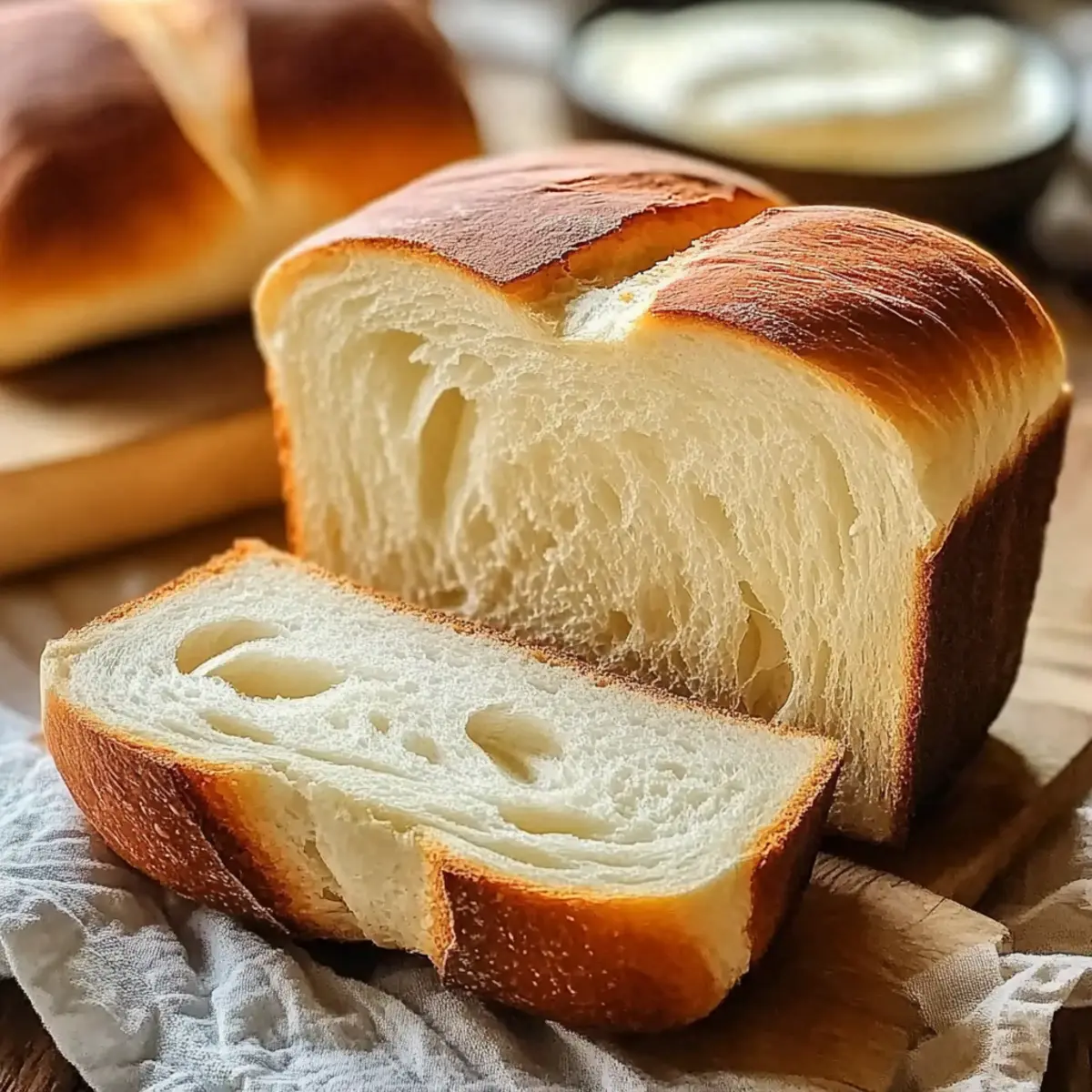
Homemade White Bread That Just Melts in Your Mouth
Ingredients
Equipment
Method
- Combine Dry Ingredients: In a large mixing bowl, whisk together 4 cups of all-purpose flour, 2 tablespoons of sugar, 1 tablespoon of salt, and 2 ¼ teaspoons of active dry yeast.
- Mix in Water: Gradually pour in 1 ½ cups of warm water, stirring until a rough dough forms.
- Knead the Dough: Transfer the dough onto a lightly floured surface and knead for about 10 minutes until smooth and elastic.
- First Rise: Place the kneaded dough in a greased bowl, cover with a damp cloth, and let it rise for about 1 hour.
- Shape the Dough: Once risen, gently punch down the dough, turn it out onto a floured surface, and shape it into a loaf.
- Second Rise: Put the shaped loaf into a greased 9x5 inch loaf pan and cover with a damp towel, letting it rise for 30 minutes.
- Preheat the Oven: Preheat your oven to 350°F (175°C) while the dough is rising.
- Bake the Bread: Bake the bread for 30 to 35 minutes until the top is golden brown.
- Brush with Butter: Once out of the oven, brush the top with 2 tablespoons of melted butter.
- Cool Before Slicing: Allow the bread to cool in the pan for a few minutes before transferring to a wire rack to cool completely.



Leave a Reply